
For a long time, the image of great corporate leadership was built around big, decisive moves: entering a bold new market, pulling off a game-changing acquisition, or driving a sweeping transformation program. Those were the stories that got told.
Today’s reality looks different.
CEOs now operate in a world of relentless technological change, geopolitical surprises, thickening layers of regulation, and shifting expectations from every direction. The luxury of making one clean, once-and-for-all strategic pivot has largely disappeared. Instead, the job has become a continuous process of fine-tuning—adjusting the organization’s course in small but deliberate ways, day after day.
Leadership isn’t about choosing a single direction anymore. It’s about keeping the whole system on track while the environment keeps moving underneath you.
From Big Bets to Constant Calibration
The classic leadership playbook celebrated dramatic turns. In more complex, fast-moving conditions, though, the smartest CEOs tend to avoid sharp swings that could throw everything off balance.
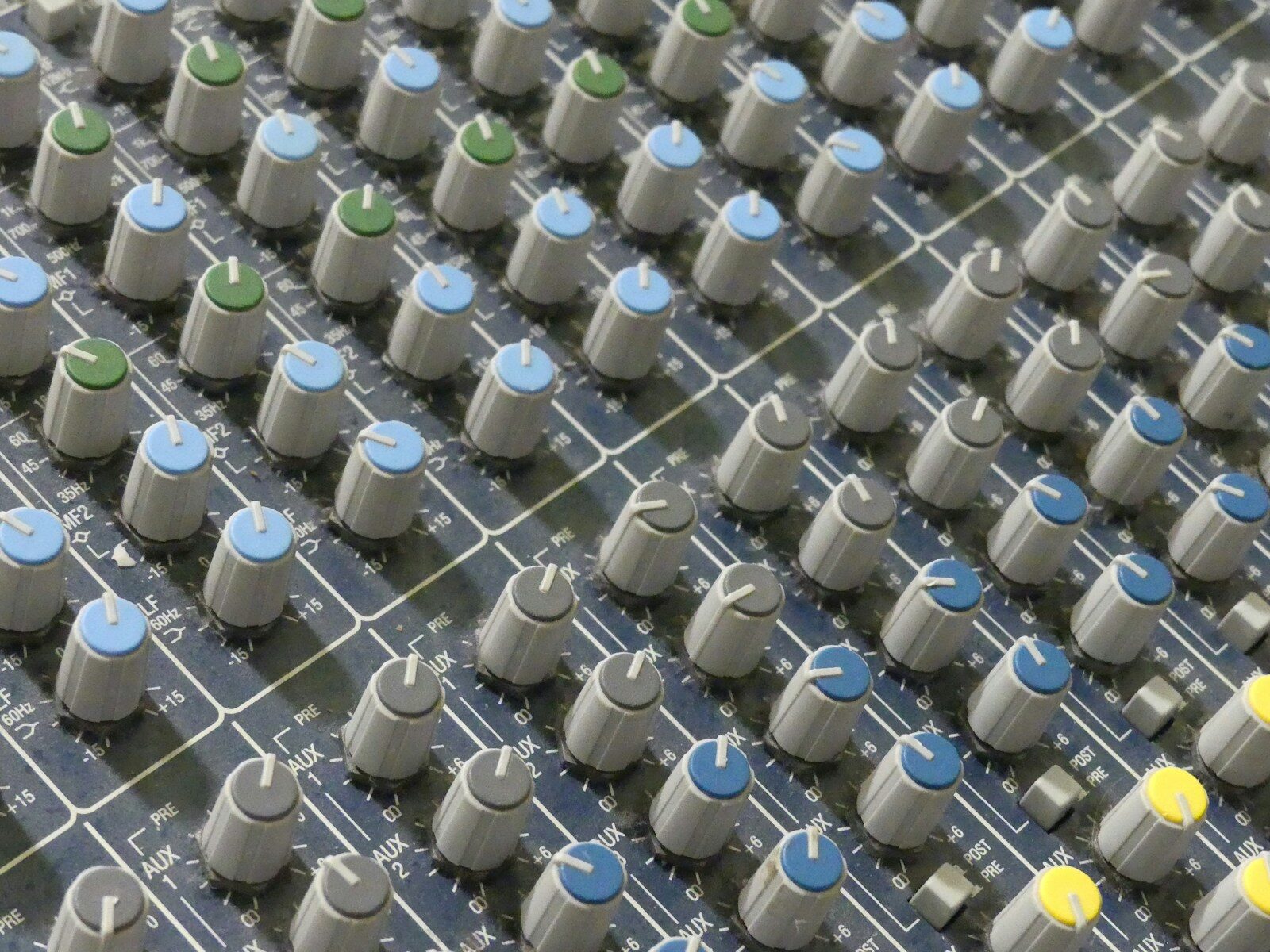
They work instead by adjusting a handful of key “dials” at the same time:
- The pace of investment in different areas
- How much risk the organization is carrying
- The intensity of innovation efforts
- The level of operational rigor and efficiency
- Where talent and resources are being focused
Each tweak on its own might look modest, but taken together they can meaningfully shift the company’s trajectory—without risking chaos in the core business. The discipline here is precision, not disruption.
Handling Incompatible Demands
What makes the modern CEO role particularly demanding is the constant pull of conflicting priorities.
Investors push for strong quarterly numbers. Capital markets reward companies that show a credible path to long-term growth and innovation. Employees want purpose, fairness, and some sense of stability. Regulators insist on compliance, transparency, and accountability to broader societal goals.
There’s no neat formula that satisfies all of them perfectly. Effective CEOs have to keep recalibrating: dialing up short-term discipline when margins are tight, easing off when it risks choking future capability, or shifting emphasis toward innovation when the competitive landscape demands it.
Over-emphasize any one area for too long, and the others start to suffer. The art is in knowing when—and how much—to adjust.
The Amplified Visibility of Every Move
CEO decisions don’t stay inside the boardroom anymore. They get read through financial, political, social, and reputational lenses almost instantly.
A change in investment pace, a shift in risk appetite, or a pivot in talent priorities can quickly become a public story—analyzed by analysts, debated on social platforms, picked apart by employees, or questioned by policymakers.
That means calibration isn’t just a strategic exercise; it’s a communication one too. Leaders have to explain the “why” behind each adjustment clearly and consistently. When the narrative holds together, stakeholders are more likely to give the benefit of the doubt. When it doesn’t, even sensible moves can breed confusion or distrust.
Keeping the Inside Aligned
The external pressures are only half the story. Continuous calibration also reshapes things internally.
Leadership teams need to stay cohesive even as the mix of priorities evolves. Executives who thrived under a heavy focus on cost control might find themselves stretched when the emphasis swings toward rapid experimentation—or vice versa.
Part of the CEO’s job now is actively managing that evolution: deciding when to refresh the team, when to realign roles, and how to balance institutional memory with the fresh perspectives the next phase demands. It’s a careful dance between continuity and renewal.
What Sets the Best Leaders Apart Today
The CEOs who handle this environment well share a few clear traits:
- They hold a steady long-term view while staying nimble on the short-term settings
- They pair real strategic discipline with the flexibility to adapt without losing coherence
- They understand that credibility comes not just from bold vision, but from consistent, transparent judgment through uncertainty
In a world that never really settles, leadership has moved on from the era of the single heroic decision. It’s become the ongoing discipline of reading the signals, making measured adjustments across the system, and keeping everyone—inside and out—oriented toward the same horizon.
That’s the new standard. And it’s every bit as demanding as the old one—just in a quieter, more precise way.